Internet pioneer
Recognised among the founders of LEARN, Sri Lanka’s academic and research network, and involved in the country’s formative Internet community.
A pioneer of the Internet and local-language computing in Sri Lanka—working to ensure that every language, script and community can participate fully online.
 ෦
෦Harsha’s work connects the early development of Sri Lanka’s Internet with a continuing effort to make the network genuinely multilingual—from infrastructure and telecentres to standards, fonts, keyboards, domain names and email.
Recognised among the founders of LEARN, Sri Lanka’s academic and research network, and involved in the country’s formative Internet community.
Long-standing contributor to Sinhala Unicode technology, the SLS 1134 standard, font guidance and practical adoption of Sinhala and Tamil computing.
Advocating systems that accept all valid domain names and email addresses, including those written in the world’s diverse scripts.
Founding President of the Internet Society Sri Lanka Chapter, ICANN participant, Sinhala Generation Panel Co-Chair and ICANN At-Large individual member.
Harsha worked within initiatives led by the late Prof. V. K. Samaranayake across Internet infrastructure, Sinhala computing, election systems, rural connectivity and the institutional development of Sri Lanka’s ICT sector.
Co-authored with V. K. Samaranayake, S. T. Nandasara, J. B. Dissanayake and A. R. Weerasinghe.
Prof. Samaranayake assigned Harsha to resolve Kothmale’s connectivity problem and later guided his association with Sarvodaya’s telecentre programme.
Harsha’s contribution to Prof. Samaranayake’s felicitation volume records nine years of ICT4D work in Sri Lanka. Read the publication record →
Across standards, digital government, research networks and governance, the focus has remained practical: building technology that people and institutions can actually use.
Recognised in 2019 as one of seven founders of LEARN at its thirtieth-anniversary celebration.
Contributed to Sinhala Unicode research and the third revision of Sri Lanka Standard SLS 1134.
Co-Chair of the Sinhala Generation Panel for Internationalized Domain Names and an advocate for multilingual Internet infrastructure.
Founding President of the Internet Society Sri Lanka Chapter and a continuing voice for an open, inclusive Internet.
Resource person and organizer for national UA, IDN, EAI and DNS-security programmes; individual member of ICANN At-Large.
Led research into historical Sinhala numeral systems and the evidence for a concept of zero extending back more than two millennia.
Resource person from the programme’s inception, conducting Internet public education with Dr. S. T. Nandasara and other specialists for more than nineteen years.
Two important records connecting Harsha’s leadership of Sri Lanka’s Internet community with his research into the Sinhala concept of zero.
The original conference video is now playable directly from the homepage.
Speech, context and contemporary press coverage →Harsha’s lecture in the Institute of Archaeology and Heritage Studies series, associated with Professor Nalin de Silva’s related discussion of zero, infinity and the Pujavaliya.
Lecture details and intellectual context →From Brahmi inscriptions to linguistic evidence, Harsha’s research follows the evolution of numeral symbols and the human ideas behind them. These recent presentations extend the work published in Numeration in the Sinhala Language.
A wide-ranging Sinhala presentation on the history, symbols and cultural journey of zero.
How languages express absence—and how that idea develops into number.
Reading the historical record of South Asian numeral forms.
Books authored or edited by Harsha Wijayawardhana, together with a major Sarvodaya/Fusion publication arising from the Virtual Village research programme.
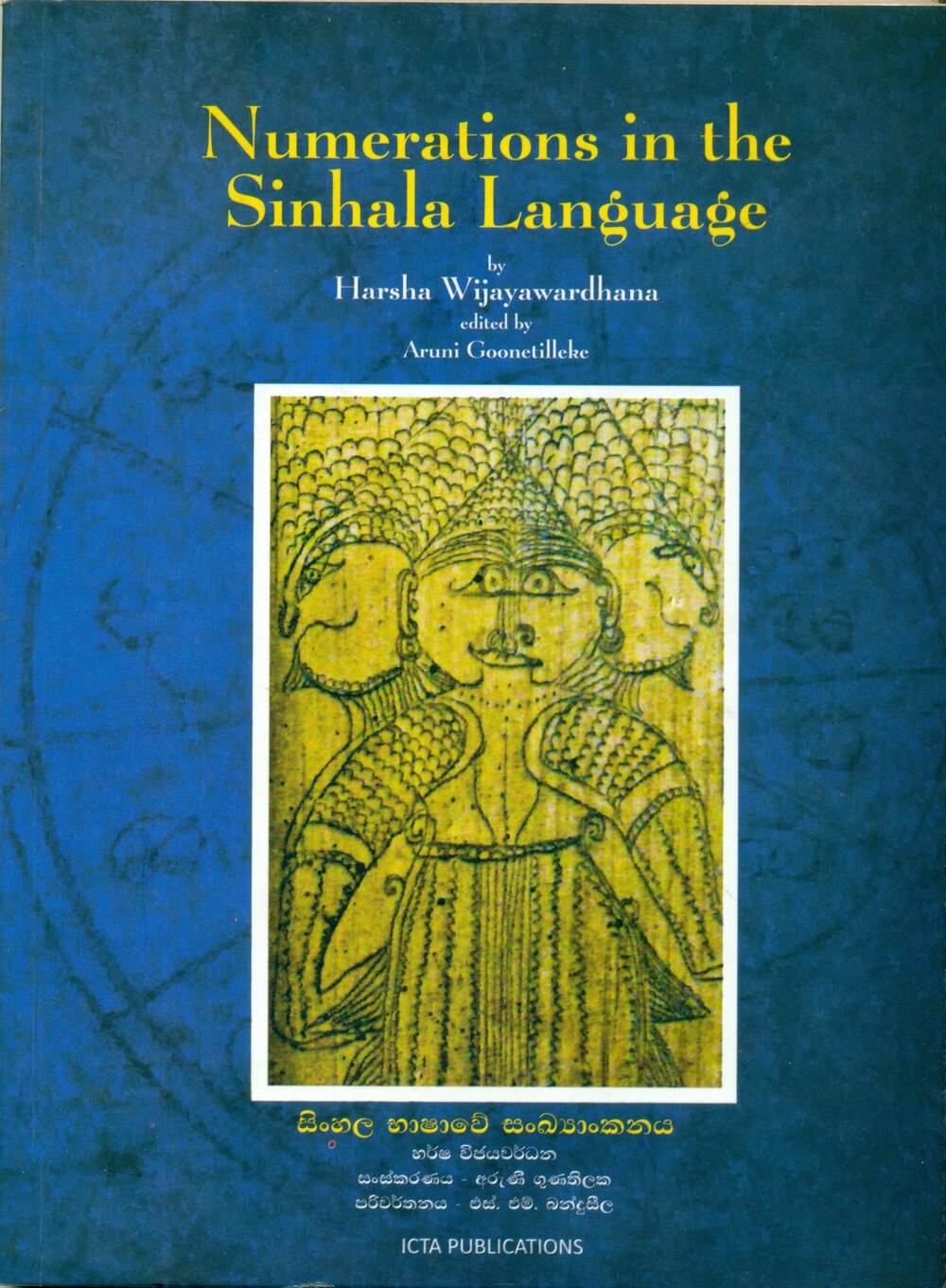
ICTA publication documenting Sinhala numeral systems, inscriptions and the historical concept of zero.
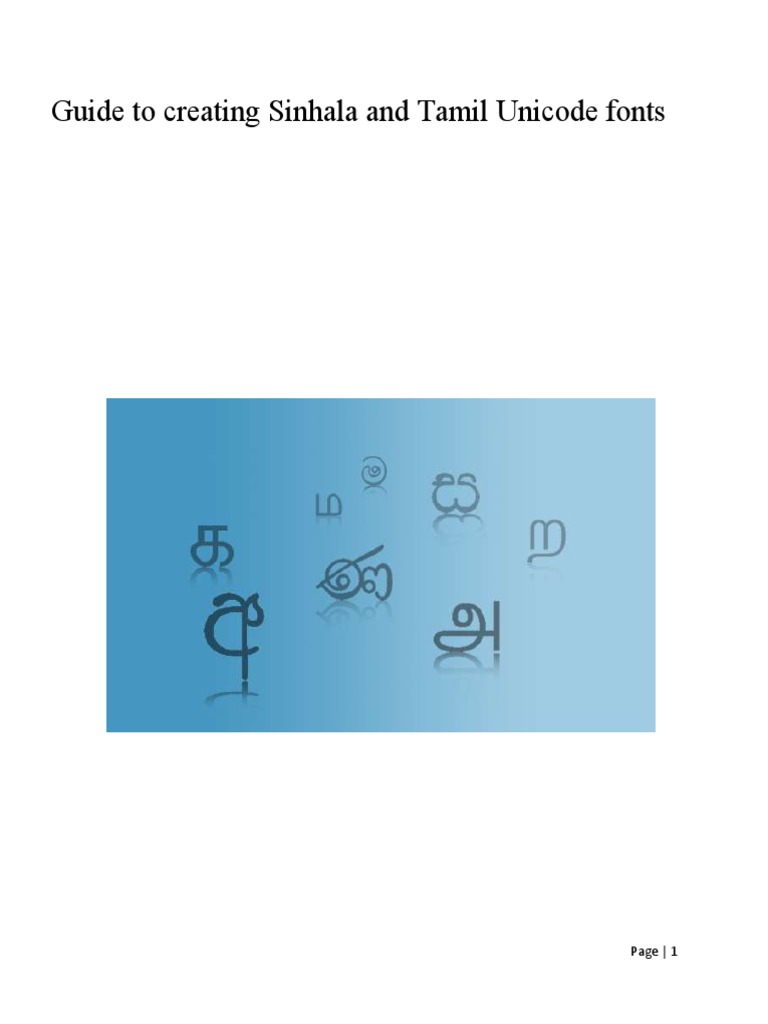
Practical guidance for creating standards-based Sinhala and Tamil Unicode fonts.

A socio-anthropological and technological study of Sri Lanka’s Virtual Villages. Harsha contributed technical research and represented the University of Colombo partner team.
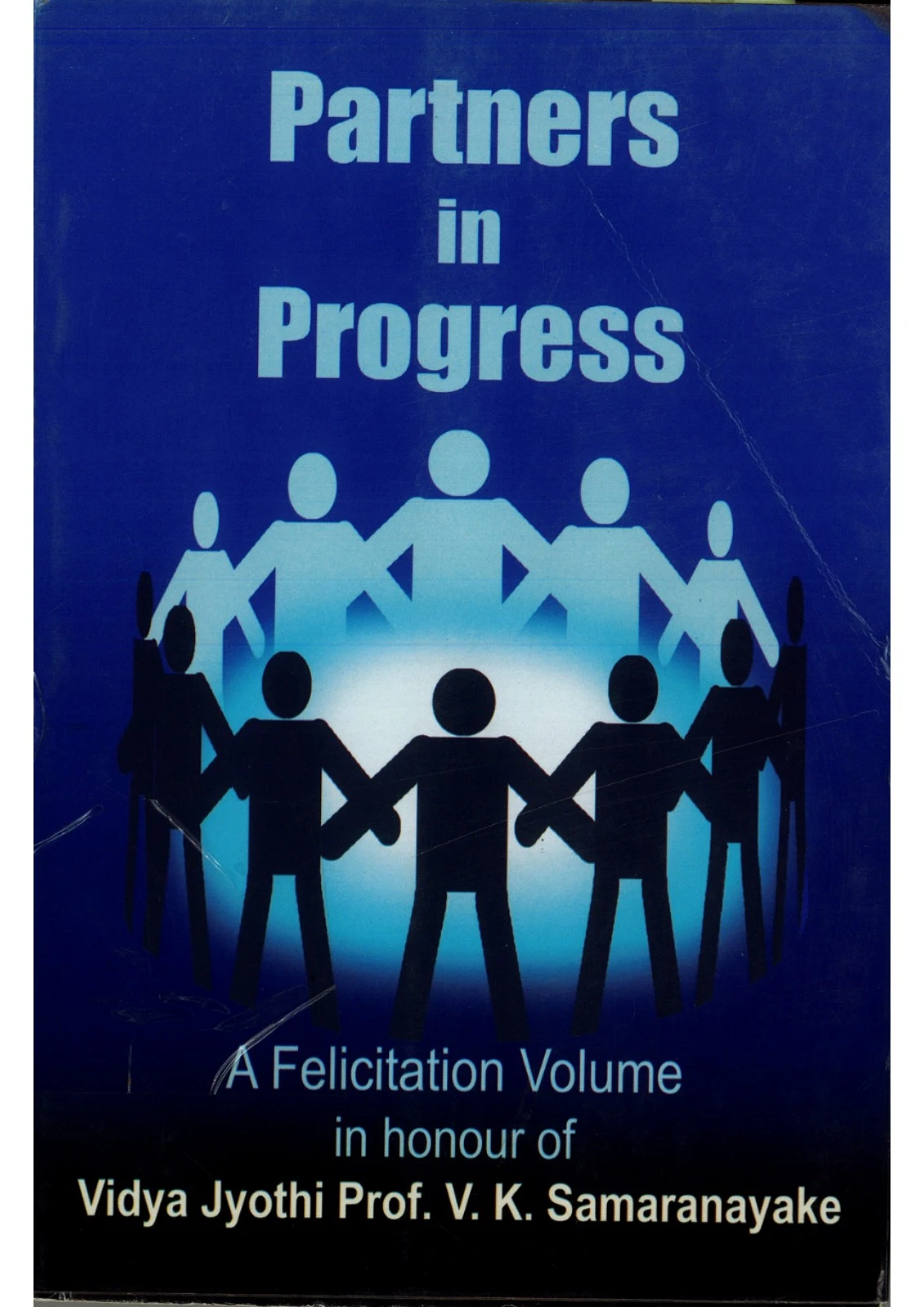
Includes Harsha’s article “Kothmale Internet Program to Virtual Village: Recollection of nine years of ICT4D in Sri Lanka,” beginning on page 204. Publication record →
Selected articles, talks, workshops and resources published by or documenting Harsha’s work through the Local Language Technical Help Centre and associated public platforms.
Watch Harsha’s address as founding President of the Internet Society Sri Lanka Chapter.
→Locally preserved publication record and historical context for the Daily FT report on INET Colombo.
→Harsha’s nineteen-year contribution to the pioneering CINTEC, UCSC and SLBC Internet radio programme.
→Harsha’s article, “Kothmale Internet Program to Virtual Village: Recollection of nine years of ICT4D in Sri Lanka.”
→Current technical observations on Sinhala text input and interoperability.
→A self-contained archive of Sinhala zero, Illakkam, Brahmi numerals, large numbers beyond a googol and related media.
→Part of the continuing journey through the language and concept of zero.
→A focus on Internationalized Domain Names and the Sinhala script.
→Tracing numeral forms through inscriptional and historical evidence.
→A short visual explanation from the Searching for Zero series.
→The principal video presentation on the historical and linguistic search.
→National collaboration for a multilingual and inclusive Internet.
→A national gathering advancing domain-name and email interoperability.
→Bringing UA concepts into Sri Lanka’s higher-education curriculum.
→Harsha served as a principal resource person for the two-day programme.
→A practical guide to entering, storing and using Sinhala text correctly.
→Browse independently hosted copies of Harsha’s articles, presentations, workshops and public work, with original dates retained.
Harsha combines technical practice, standards work, organizational leadership, research and public-interest governance.
Serving as ICT Consultant to CINEC Campus since mid-March 2026.
Advising ONL during 2026 on enterprise systems, HRIS assessment, ICT and information-security policy, solution evaluation and project governance.
Leading research, engineering and national-scale digital initiatives from the University of Colombo technology ecosystem.
Brought eAsia 2009 and the September 2014 ISO/IEC JTC 1/SC 2/WG 2 meeting to Sri Lanka.
Contributed technical and language-technology expertise to Sri Lanka’s work on romanizing Sinhala geographical names for the Survey Department and engagement with the UNGEGN Working Group on Romanization Systems.
Work spanning Unicode, ISO/IEC JTC 1/SC 2/WG 2, SLSI, ICANN, ISOC, Universal Acceptance and the LK Domain Registry.